Visual Artist specialized in historical projects
Who was Émile Reynaud?
Émile Reynaud was a real historical figure, whom I chose to focus on because his story, still little known today, deserves to be told.
Originally trained as a teacher, Reynaud was a multifaceted figure: an inventor, artist and pioneer of moving images. His background in education deeply influenced his approach to visual experimentation, combining scientific curiosity with a strong narrative and artistic sensibility.
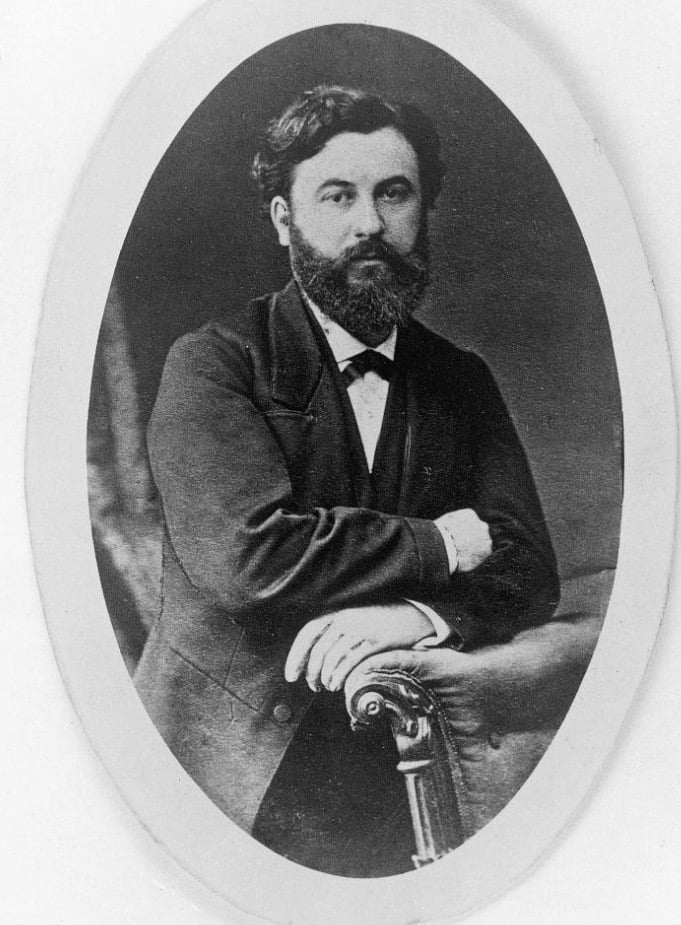
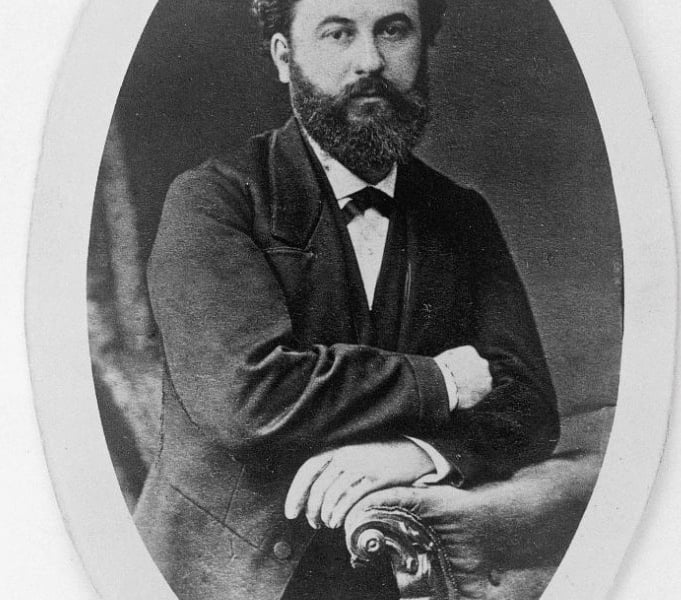
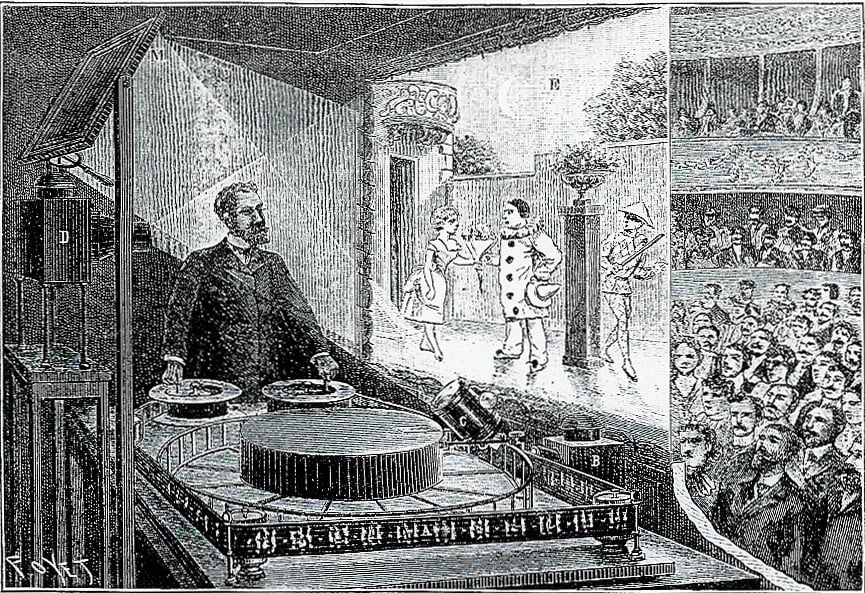
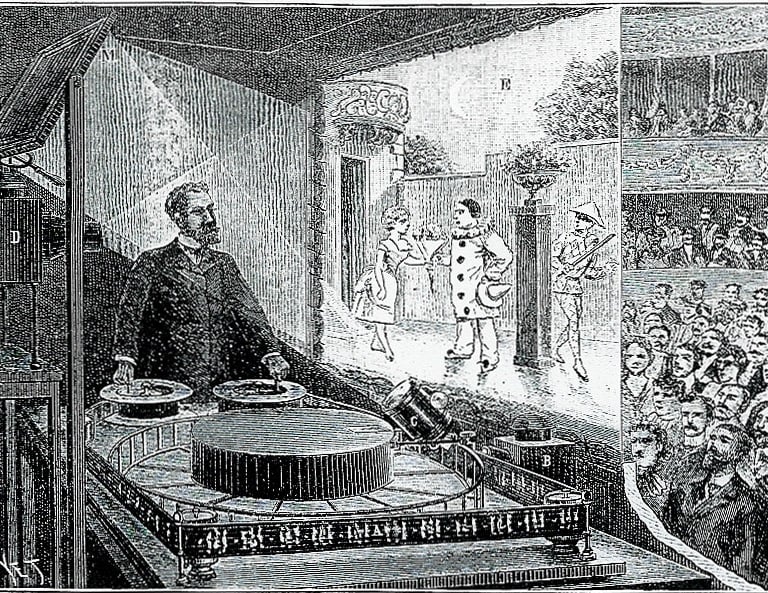
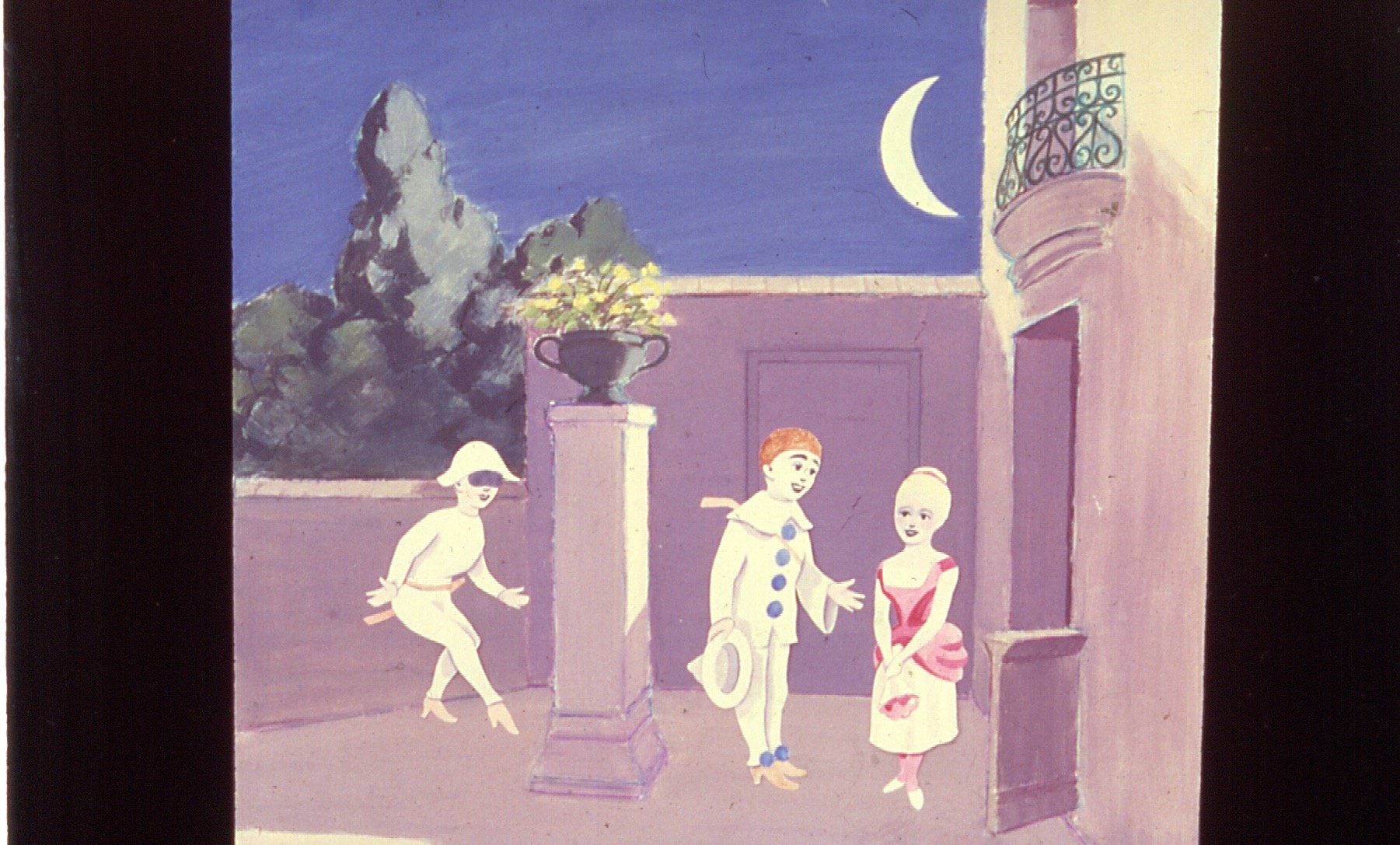
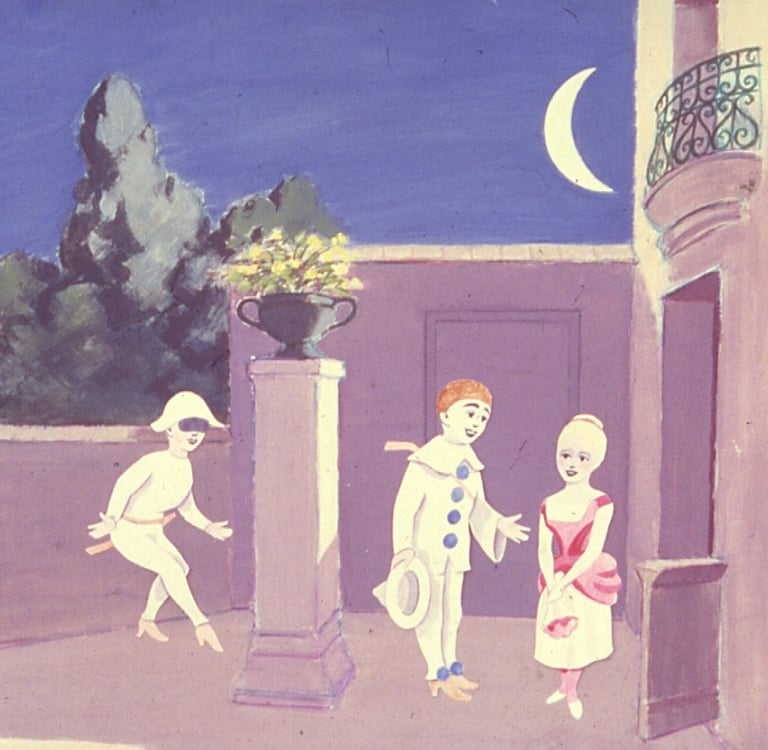
In 1877, he invented the praxinoscope, an optical device that improved earlier animation toys, and later developed the Théâtre Optique, a system that allowed hand-drawn images to be projected to a paying audience. With his Pantomimes Lumineuses, presented in Paris from 1892, Reynaud created some of the first public screenings of animated images, years before the birth of cinema as we usually date it.
Despite his groundbreaking contributions, Reynaud was eventually overtaken by the rapid rise of photographic cinema and largely forgotten by history. Today, he is recognized as one of the true pioneers of animation — a visionary whose work laid the foundations for animated storytelling.
The images are used under license from the cultural association “Les Amis d’Émile Reynaud”.
Reynaud operating his Optical Theatre in front of the audience.
Frame from the film "Pauvre Pierrot", 1892